The Berber people, also known as the Amazigh, are the indigenous inhabitants of Maghreb region, of North Africa. In Morocco they live mainly around the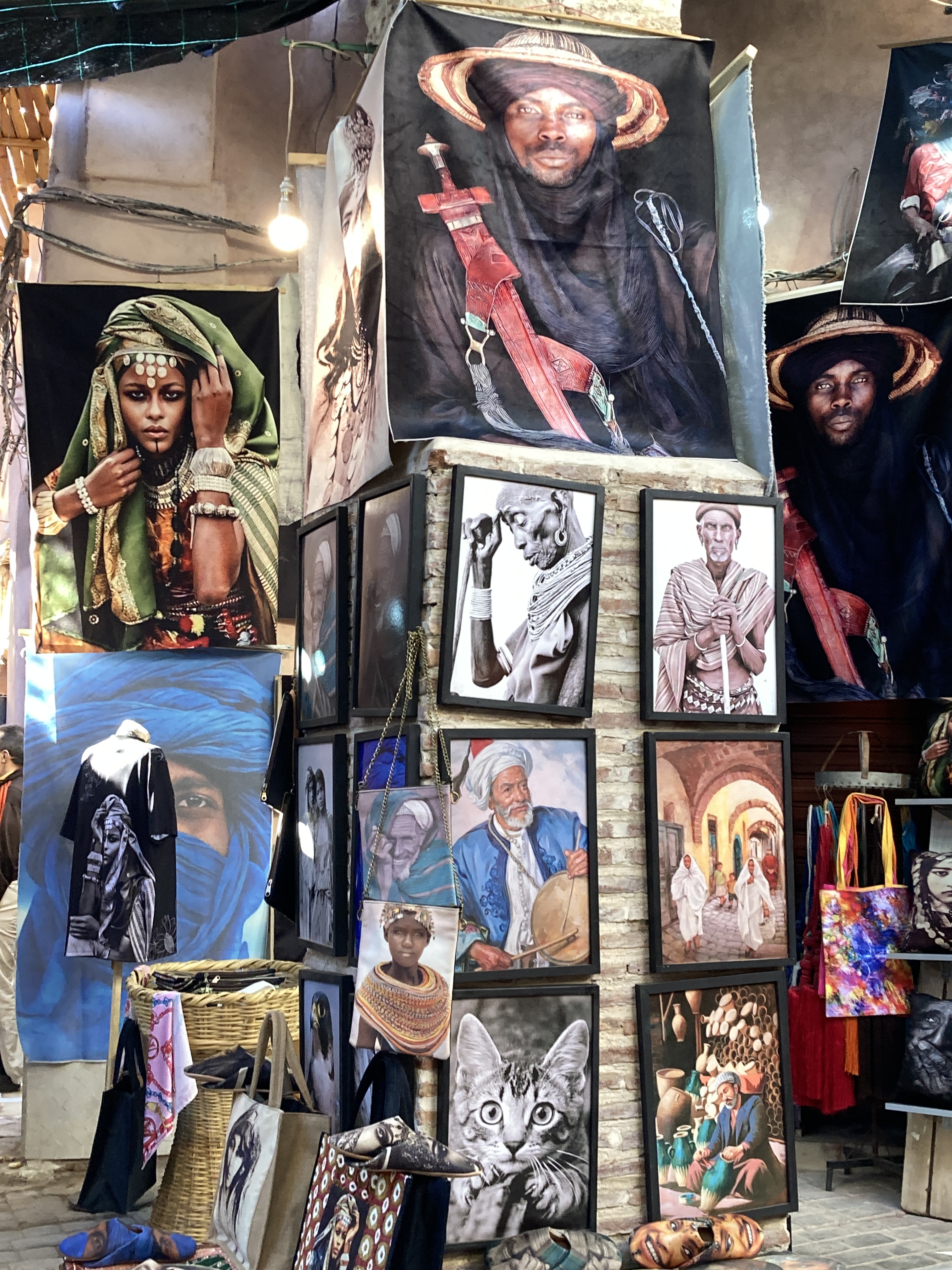 Atlas Mountains and south of the country. Their history stretches back over 10,000 years. Their origins are rooted in the prehistoric populations of the region, and their language belongs to the Afroasiatic family. Throughout antiquity, the Berbers interacted with various civilizations, including the Phoenicians, Carthaginians, and Romans, while maintaining a degree of autonomy in their mountain and desert communities.
The arrival of Islam in the 7th century CE was quite a transformative period for the Berbers, because it led to their widespread conversion and integration into the Islamic world. Berber dynasties such as the Almoravids and Almohads rose to prominence during the medieval period and created powerful empires that stretched across North Africa and into Spain. These dynasties left a lasting legacy on the region’s culture, architecture, and religious practices, with cities like Marrakesh becoming key centres of learning and trade. In the modern era, the Berbers faced challenges during the colonial period and after Morocco’s independence, as Arab culture and language became dominant. However, the late 20th and early 21st centuries witnessed a revival of Berber identity and their rights. In 2011, Morocco officially recognized Tamazight, the Berber language, as a national language, marking an important step in acknowledging the Berbers’ cultural heritage and their ongoing contributions to the country’s rich diversity.
This was my second time visiting Morocco, but it offered a completely different experience from the first. While I had previously travelled to the biggest cities in the country starting with the popular tourist spots of Agadir and the sensory overload that is Marrakesh, this time, I was eager to discover a new side of the country—the south of Atlas Mountains. I was especially excited to delve into the region’s unique and ancient culture and landscapes that contrast with the more familiar and wealthier parts of Morocco.
The vibrant mix of Arab, Berber, and French influences is evident in everything from the architecture to the cuisine. Each city tells its own story, but it’s the southern regions, where the Berber people are most prominent, that truly captivated me. There is a fascinating blend of tradition and modernity, with  centuries-old customs still alive and well. … makes this part of Morocco feel like a place where history is both preserved and celebrated. The south of Morocco, with its every changing landscape, ancient kasbahs, dry lands with lush and green oasis is a rather unique window into South and a Berber culture. The Berbers, or Imazighen, have lived in this region for millennia, and their traditions are still very much present in today’s Morocco. I found the warmth and hospitality of the Berber people particularly compelling. From the intricate designs of their carpets and jewelry to the rhythmic music and storytelling that echo through their villages, every aspect of their culture felt both vibrant and deeply rooted in the past.
I travelled in the south for several days, passing many kasbahs where the live still exist – they are fortified structures with a rich history, dating back centuries. Traditionally built by Berber tribes, these mud-brick fortresses served both as defensive strongholds and as homes for powerful families or local rulers. They were usually located strategically along trade routes or at the entrances to valleys, because kasbahs were designed to protect against invaders and store goods the same time. Their thick walls, small windows, and towers were essential for defence, while their architectural beauty, often featuring intricate carvings and geometric patterns, reflected the wealth and status of their inhabitants. Today, many kasbahs, like the famous Ait Benhaddou, stand as enduring symbols of the region’s history, culture, and the ingenuity of the Berber people, and today many of them act as prime locations to many film and tv-shows crews.
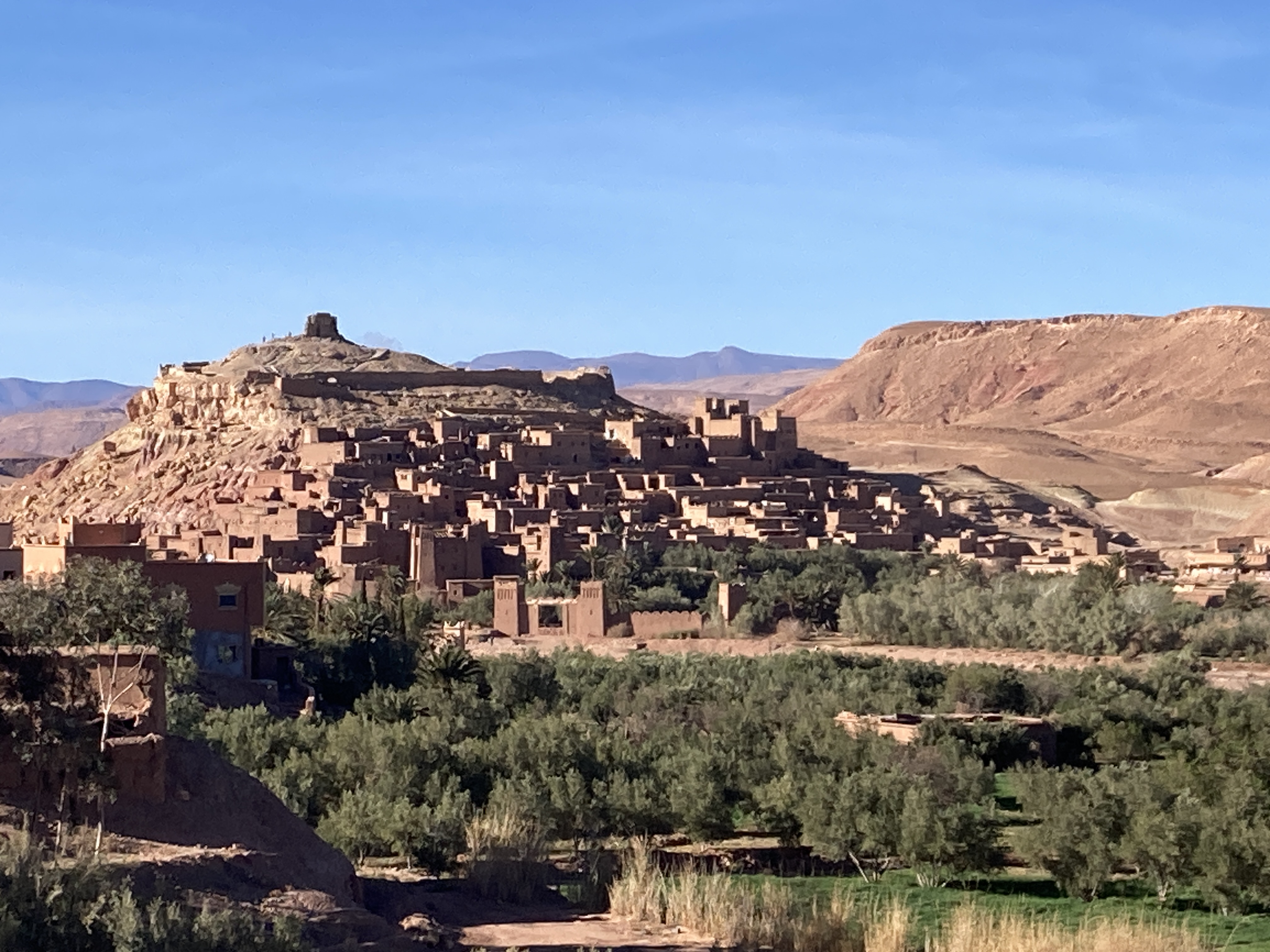
What I found most fascinating was how the Berber people have maintained their distinct identity despite centuries of change. Their language, Tamazight, is still spoken, and their cultural practices continue to thrive. Whether exploring the bustling souks of a southern towns and villages, hiking in the Atlas Mountains, or visiting kasbahs, I felt a how deep their lives are intertwined with their traditions and ancestors. The south of Morocco is not just a destination; it’s an immersion into a living culture that is as diverse as the landscapes that surround it.
The Berber kitchen is a cornerstone of Morocco’s rich culinary heritage, characterized by its simplicity, flavour, and use of locally sourced ingredients. Central to Berber cuisine are hearty dishes like tagine and couscous, slow cooked with a variety of vegetables, meats, and aromatic spices. The use of spices like cumin, coriander, locally picked saffron, and turmeric is essential, creating flavours that are both earthy and vibrant. The spices are so aromatic that it is enough to add less than a half of a teaspoon to the dish, and voila! Whatever one wants to buy as a souvenir from Morocco, one usually gets it in the overwhelming bazar in Marrakech. This place reminds me of Grand Bazaar in Istanbul without the “stoned looking” snakes and little monkeys chained to the owner or stuck in small cages to be stuffed to tourists for pictures.
Overall, the bazaar in Marrakech, especially the labyrinthine souks of the Medina, is a bustling marketplace that seems to stretch endlessly in every direction. Stalls overflow with a kaleidoscope of goods, from traditional Moroccan shoes, fragrant teas, and intricately designed bags to massive metal ornaments, spices, and food items. Amidst the colourful displays, one can even find a “dentist” who offers human teeth, and he can help those in need on the spot. A testament to the bazaar’s eclectic atmosphere. Well, I did not bring any teeth, but I definitely went crazy with buying Moroccan spices, and I can only imagine what Customs Officers at the security check at Istanbul airport thought when my luggage went through a scanner…
Dates are another key element of the Berber diet, reflecting the abundance of date palms in the oases of southern Morocco. There are over 100 kinds of dates in the country, out of which 45 are in the South. Most popular ones are Medjool dates that were served to the royals only. Nowadays, dates are a staple food, eaten plain or used to sweeten dishes, cakes and drinks. They are particularly important during special occasions and religious festivals, where they symbolize hospitality, and during month of Ramadan, dates are often recommended to “break the fast”. I have always loved dates, so being in the south of Morocco was a treat for me. The region offered a delightful variety of them, each with its own unique flavour, size, colour and texture. Quite many local markets, like the one I visited in Zagora, offer “tastings” before one decided to buy one… or several boxes with those delicious snacks.
Another thing that made me extremely happy was the tea. My day must start with a bucket of tea with honey, otherwise I can turn slightly grumpy. I was ecstatic when Moroccan tea was on the menu several times a day. Actually, this tea is known as “atay” and is more than just a beverage for locals; it’s a symbol of hospitality and tradition. Surprisingly for me it is made from green tea usually imported from China, fresh mint leaves, and served with a humongous piece of sugar. The tea is traditionally poured from a height into small, ornate glasses. One may ask why? This practice not only aerates the tea but also creates a frothy “crown” on top, which is considered a mark of a well-prepared tea.

My trip to the Magical South would have not been completed without a mandatory visit to Sahara Desert. In Morocco, Sahara is located along the southern border with Algeria, south of the Atlas Mountains. Once one has crossed over the mountains, one will reach the fortified city of Ouarzazate that is considered the gateway to the desert (as a side note here for the rallies enthusiast; this is also the location for one of the stops of Paris – Dakar rally when it was still organized in Europe and Western Africa). Visiting the dunes of the Sahara near border was an unforgettable experience, but it came with its own set of challenges. I spent two days there and during my stay sandstorms swept across the landscape, making even the simple task like brushing my short hair quite a struggle as the fine grains of sand seemed to get everywhere. The winds howled constantly, and despite all my efforts to shake it off, the Sahara still found a way to travel with me, buried deep in my clothes and shoes, and came all the way home with me as a persistent reminder of the vast and wild desert. It took me several days to clean it from my luggage, but sitting on the dunes, waiting for the sun to set behind a cloud of the sand in the air and just be, made it all worth it.
 kasiasteps